Jean Frédéric Joliot-Curie
 2026-01-21 09:30:48
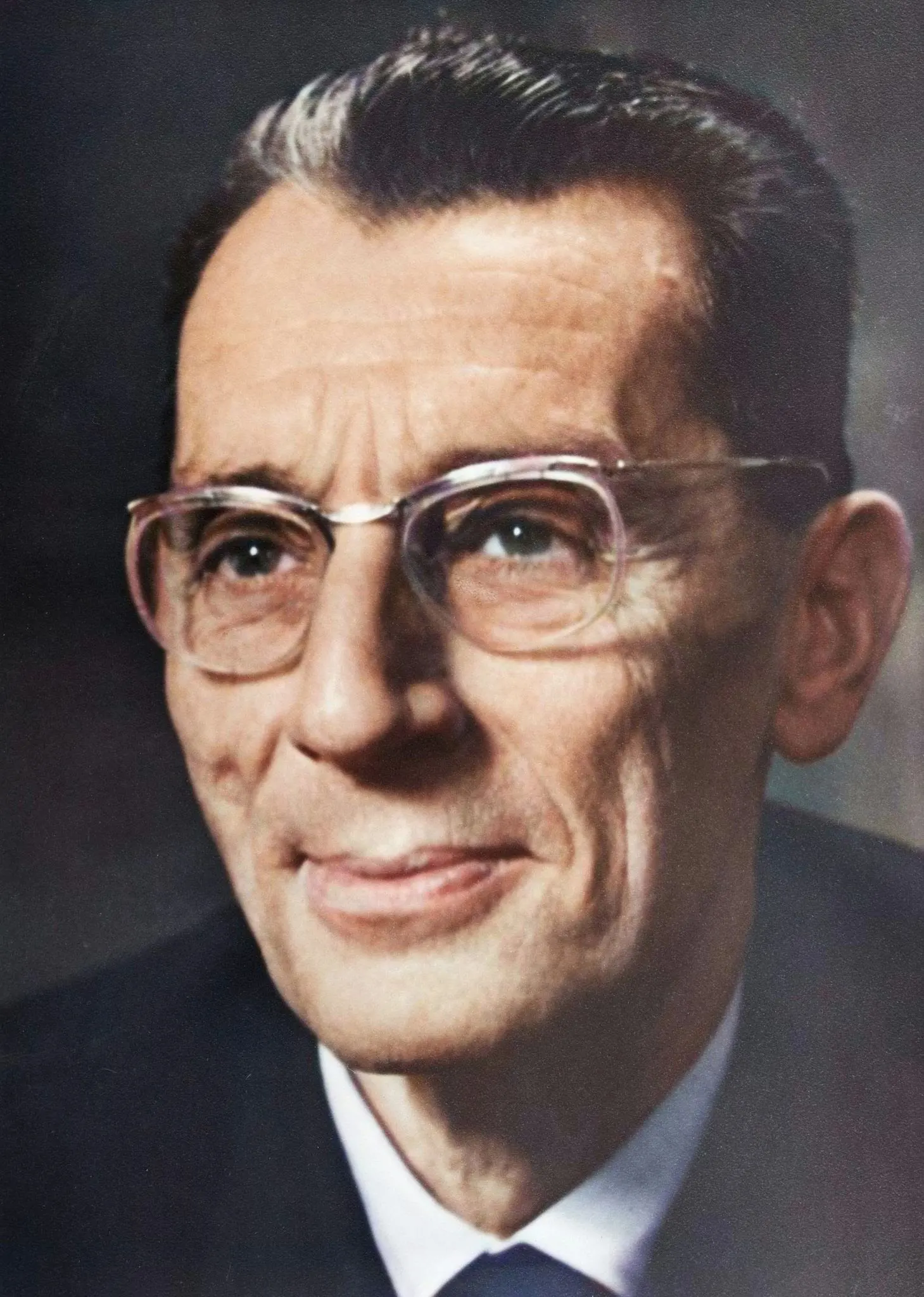
Frédéric Joliot-Curie (before marriage – Frédéric Joliot; Paris, France, March 19, 1900 – August 14, 1958, in the same place) is a French physicist and public figure, one of the founders and leaders of the World Peace Movement and the Pagouche Movement of Scientists. Winner of the Nobel Prize in Chemistry together with his wife Irene Joliot-Curie for the synthesis of new radioactive elements (1935). This discovery, made in 1934, confirmed the possibility of artificial radioactivity, allowing the creation of radioactive isotopes, which became a fundamental contribution to the development of atomic physics and nuclear chemistry. They discovered that aluminum atoms under the influence of alpha rays turn into radioactive phosphorus atoms. Studied the splitting of uranium atoms (1939). After the Second World War, he supervised the creation of the first nuclear reactor in France. Replaced his wife as head of the Radio Institute after her death (1956). The initiator of the Stockholm Appeal, dedicated to the unconditional prohibition of nuclear weapons. Member of the French Academy of Sciences (1943), foreign corresponding member of the USSR Academy of Sciences (1947), foreign member of the Royal Society of London (1946).